

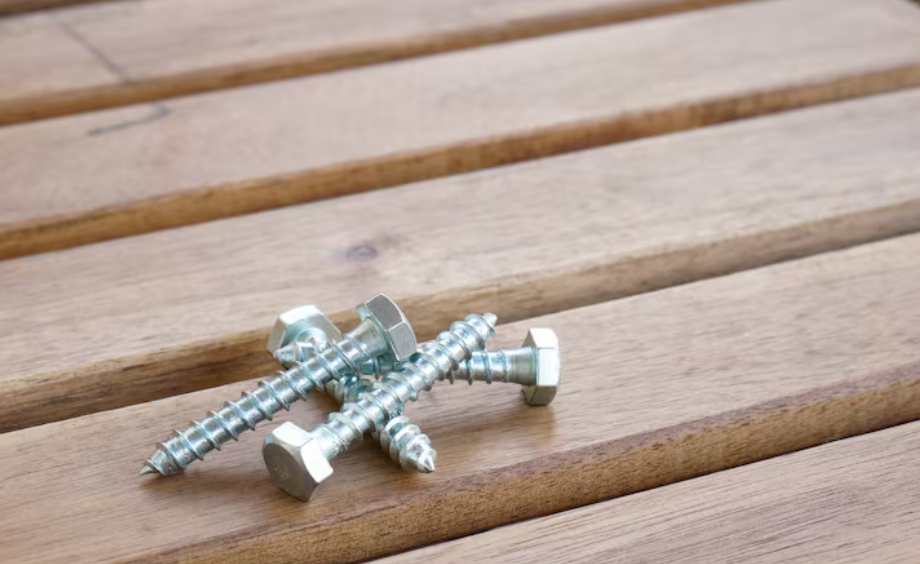
In both residential and commercial construction, the selection of the right screws plays a vital role in ensuring structural stability. Screws do far more than simply fasten two surfaces together—they help distribute loads, resist movement, and maintain long-term strength under pressure. Understanding how screws contribute to structural integrity is essential for builders, engineers, and anyone responsible for creating safe and durable installations.
How Screws Support Structural Loads
Screws are engineered to hold components together under various mechanical stresses. Their threaded design creates a deep mechanical bond, enabling screws to resist pulling forces, bending pressures, and shear loads. In framing, decking, and heavy-duty assemblies, properly placed screws prevent joints from shifting or weakening over time, even when subjected to high stress.
The Importance of Tensile and Shear Strength
Two major strength factors determine a screw’s performance: tensile strength and shear strength. Tensile strength measures how well a screw can withstand forces that try to pull it apart, while shear strength measures resistance to sliding or horizontal forces. High-grade structural screws are designed to manage both types of loads, making them suitable for demanding applications such as roofing, framing, and steel connections.
Thread Design for Stronger Load Distribution
A screw’s thread profile directly affects its ability to distribute load evenly. Deep, aggressive threads grip soft materials like wood, preventing pull-out under heavy pressure. Fine threads offer stronger tensile performance for metal-to-metal fastening. Matching thread type to the structural material ensures secure, balanced load distribution that prevents long-term joint failure.
Using Structural Screws Instead of Traditional Lag Bolts
Modern structural screws are engineered to replace lag bolts in many load-bearing applications. They offer high shear resistance, superior holding power, and faster installation with standard driver bits. Their optimized threads and hardened steel composition allow them to withstand substantial forces without cracking or loosening, making them ideal for beams, trusses, decks, and load-bearing walls.
The Role of Screw Length and Diameter in Load-Bearing Capacity
Longer screws penetrate deeper into structural elements, increasing anchoring strength and resistance to pull-out forces. Larger diameters distribute load across a wider surface area, improving durability under pressure. Choosing the correct combination of length and diameter ensures that screws can support both vertical loads and lateral movement without compromising safety.
Material Strength and Coating Protection
High-strength carbon steel, hardened steel alloys, and stainless steel screws all serve different load-bearing roles. Carbon steel offers exceptional durability for indoor structural work, while stainless steel provides corrosion resistance for outdoor or moisture-prone environments. Protective coatings such as galvanization or ceramic layers enhance longevity, especially when screws must support weight in harsh conditions.
Preventing Loosening in Structural Applications
Load-bearing joints must resist vibration and movement. Specialized screws with locking threads, serrated edges, or integrated washers help prevent loosening caused by wind, machinery vibration, and shifting materials. Regular fasteners may not provide the same security, making structural-grade screws essential for long-term stability in critical applications.
Ensuring Safety Through Proper Screw Selection
Selecting screws that match the project’s load requirements is crucial for structural safety. Using under-strength fasteners can lead to bowing, separation, or even collapse. By choosing high-quality structural screws that match the material type and environmental conditions, builders can ensure reliable and safe connections that stand the test of time.
Building Stronger, Safer Structures with the Right Screws
Structural integrity relies on more than good design—it depends on the fasteners that hold everything together. High-performance screws enhance stability, support heavy loads, and prevent long-term damage. By understanding their role and selecting the appropriate type, you can build safer, stronger, and more durable structures in every application.
